
There is something deeply comforting about a classic pound cake. Its rich, buttery crumb and tender texture feel timeless, yet when you add real vanilla bean and a silky glaze, it transforms into something truly special. This Vanilla Bean Pound Cake with Glaze is the kind of dessert that feels elegant enough for celebrations yet simple enough for an everyday treat.
In this detailed guide, you’ll learn everything you need to know about making the perfect pound cake from scratch. We’ll cover ingredients, techniques, baking science, common mistakes, flavor variations, storage tips, and serving ideas. Whether you’re baking for family, guests, or your own afternoon tea ritual, this recipe will help you create a cake that’s consistently moist, fragrant, and beautifully glazed.
Meta Description: Learn how to make the perfect Vanilla Bean Pound Cake with Glaze—rich, buttery, moist, and topped with a smooth vanilla glaze. A detailed step-by-step guide with tips, variations, and expert baking advice.
Why You’ll Love This Vanilla Bean Pound Cake with Glaze
This recipe stands out for several reasons.
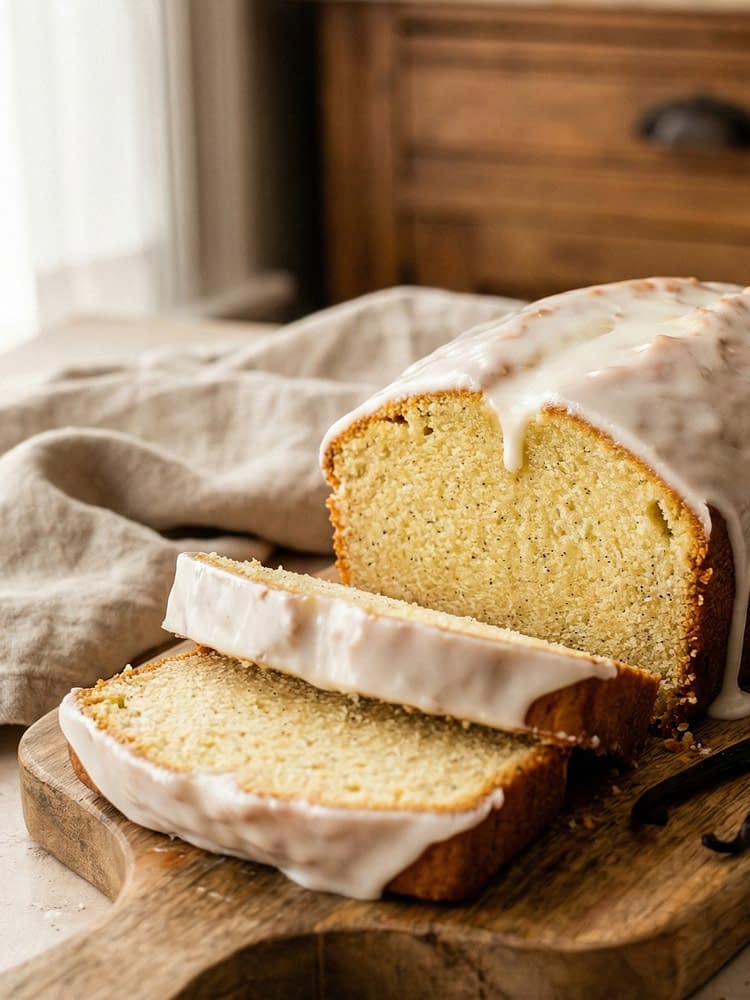
First, it uses real vanilla bean, not just extract. That means a deeper aroma, visible specks throughout the crumb, and a more refined flavor. Second, the texture is balanced: dense in the traditional pound cake way, yet soft and tender rather than heavy.
The glaze adds the final touch. It gently cascades down the sides, locking in moisture and providing a delicate sweetness that complements the buttery cake underneath.
This Vanilla Bean Pound Cake with Glaze is perfect for:
- Afternoon tea
- Holiday dessert tables
- Birthdays
- Family gatherings
- Gifting
- Make-ahead desserts
It’s reliable, adaptable, and impressively beautiful without requiring advanced baking skills.
What Makes a Pound Cake Different?
Traditional pound cake earned its name from the original formula: one pound each of butter, sugar, eggs, and flour. While modern recipes adjust proportions for better texture and balance, the heart of pound cake remains the same: rich, butter-forward, and structured.
Unlike sponge cakes, which rely heavily on whipped eggs for lift, pound cakes depend on the creaming method. This means butter and sugar are beaten together to incorporate air, creating structure and tenderness.
Understanding this technique is the key to mastering your Vanilla Bean Pound Cake with Glaze.
Ingredients Breakdown and Why They Matter
Before we begin baking, let’s look at each ingredient and why it plays a crucial role.
Butter
Use high-quality unsalted butter. Butter is the backbone of flavor in pound cake. It provides richness, structure, and that unmistakable melt-in-your-mouth texture.
Room temperature butter is essential. It should be soft enough to press with your finger but not melted.
Granulated Sugar
Sugar sweetens the cake and helps with aeration during creaming. It also contributes to browning and moisture retention.
Eggs
Eggs provide structure, richness, and emulsification. Room temperature eggs blend more smoothly into the batter, preventing curdling.
All-Purpose Flour
Flour provides structure. Sifting it helps remove lumps and ensures even distribution.
Baking Powder
Traditional pound cakes may not use leavening, but a small amount of baking powder ensures a lighter crumb without compromising density.
Salt
Salt enhances flavor and balances sweetness.
Vanilla Bean
This is the star ingredient. Real vanilla bean adds intense fragrance and visible flecks that make this cake visually appealing and aromatic.
To use it, slice lengthwise and scrape out the seeds using the back of a knife.
Vanilla Extract
Used alongside the bean to deepen flavor.
Milk
Milk loosens the batter slightly, ensuring a moist and tender texture.
Powdered Sugar for Glaze
Provides smooth sweetness for the finishing drizzle.
Step-by-Step Guide to Making Vanilla Bean Pound Cake with Glaze
Preparing Your Ingredients
Before mixing, ensure all ingredients are at room temperature. This allows proper emulsification and smoother batter.
Preheat your oven to 170°C. Grease and flour a loaf pan thoroughly.
Creaming the Butter and Sugar
This step determines the final texture.
Beat butter on medium speed until creamy. Gradually add sugar and continue beating for 3–5 minutes until the mixture becomes pale and fluffy.
You should notice a visible change in color and texture. The mixture should look airy, not grainy.
Why this matters: Creaming incorporates air, which expands during baking and gives the cake structure.
Adding the Eggs
Add eggs one at a time. Beat well after each addition. Scrape down the bowl regularly.
If the mixture looks slightly curdled, do not panic. This is normal and will smooth out once flour is added.
Incorporating Vanilla Bean
Add scraped vanilla seeds and vanilla extract. Mix gently until evenly distributed.
This is where your kitchen starts smelling incredible.
Mixing Dry Ingredients
In a separate bowl, whisk together flour, baking powder, and salt.
Gradually add dry ingredients in three additions, alternating with milk. Always begin and end with flour.
Mix on low speed. Stop as soon as the flour disappears.
Overmixing leads to gluten development, which creates a tough cake.
Filling the Pan
Pour batter into prepared pan. Smooth the top with a spatula.
Tap the pan gently on the counter to remove large air bubbles.
Baking
Bake at 170°C for 60–70 minutes.
Signs your cake is done:
- Golden brown top
- A crack down the center
- Toothpick inserted comes out clean or with dry crumbs
Cooling
Allow cake to cool in pan for 20 minutes. Then transfer to a wire rack.
Cooling completely before glazing prevents melting and ensures clean drips.
Making the Perfect Vanilla Glaze
Whisk powdered sugar with milk and vanilla extract.
The glaze should be thick but pourable.
If too thick, add a few drops of milk.
If too thin, add more powdered sugar.
Pour over cooled cake, allowing it to drip naturally down the sides.
Let it set for about 15–20 minutes before slicing.
Expert Tips for Success
Use a Kitchen Scale
Weighing ingredients ensures consistent results.
Do Not Rush Creaming
Proper aeration is critical.
Avoid Opening the Oven Early
Opening the oven during the first 40 minutes can cause sinking.
Test Doneness Properly
Insert the toothpick into the center, not near the edges.
Let It Cool Fully
Glazing a warm cake causes the glaze to disappear into the crumb.
Common Mistakes and How to Avoid Them
Dense, Heavy Texture
Cause: Under-creamed butter and sugar.
Solution: Beat longer until light and fluffy.
Dry Cake
Cause: Overbaking.
Solution: Check at 60 minutes and monitor closely.
Sunken Middle
Cause: Underbaking or opening oven too early.
Solution: Bake fully and avoid disturbing the oven.
Tough Crumb
Cause: Overmixing flour.
Solution: Mix gently and stop early.
Flavor Variations
One of the best things about this Vanilla Bean Pound Cake with Glaze is its versatility.
Lemon Vanilla Pound Cake
Add 1 tablespoon fresh lemon zest and 1 tablespoon lemon juice. Replace some milk with lemon juice for brightness.
Almond Vanilla Version
Add ½ teaspoon almond extract for a warm, nutty aroma.
Marble Pound Cake
Divide batter in half. Mix cocoa powder into one portion and swirl together.
Berry Fold-In
Gently fold in fresh blueberries or raspberries tossed in flour.
Coconut Vanilla
Replace part of milk with coconut milk and add shredded coconut.
Serving Suggestions
This cake pairs beautifully with:
- Fresh strawberries
- Whipped cream
- Vanilla ice cream
- Fresh berries and mint
- Warm caramel drizzle
Serve slices slightly thick for a traditional presentation.
For elegant plating, dust lightly with powdered sugar before serving.
How to Store Vanilla Bean Pound Cake with Glaze
Room Temperature
Store in an airtight container for up to 3 days.
Refrigerator
Store up to 1 week. Bring to room temperature before serving.
Freezer
Wrap tightly in plastic wrap and foil. Freeze for up to 2 months. Thaw overnight in refrigerator.
If freezing, glaze after thawing for best presentation.
Make-Ahead and Gifting Ideas
This cake travels well and holds its structure beautifully.
You can:
- Bake one day ahead for events
- Wrap slices individually for gifting
- Serve at tea parties
- Package in decorative boxes for holidays
Its sturdy crumb makes it ideal for shipping.
Nutritional Considerations
While this is a rich dessert, it can be enjoyed in moderation. For a lighter option:
- Reduce sugar slightly
- Use low-fat milk
- Serve smaller slices with fruit
Pound cake is meant to be indulgent, so enjoy it thoughtfully.
Final Thoughts
Baking a truly exceptional Vanilla Bean Pound Cake with Glaze is about patience, precision, and understanding technique. When done correctly, you get a cake that is moist, buttery, fragrant, and beautifully finished with a delicate glaze.
This is more than just a dessert. It’s a reliable classic you can return to again and again. Whether you’re baking for family gatherings, holiday celebrations, or quiet weekends at home, this cake delivers comfort and elegance in every slice.
Vanilla Bean Pound Cake with Glaze
This Vanilla Bean Pound Cake with Glaze is a rich, buttery, and deeply aromatic dessert made with real vanilla bean for an authentic flavor. Moist, tender, and finished with a smooth vanilla glaze, this classic American pound cake is perfect for celebrations, afternoon tea, or a comforting homemade treat.
Ingredients
For the Pound Cake Batter
For the Vanilla Glaze
Instructions
Prepare the Oven and Pan
- Preheat your oven to 170°C. Grease a 9×5-inch loaf pan with butter and lightly dust with flour. Tap out any excess flour. Proper greasing ensures the cake releases cleanly after baking.
Cream Butter and Sugar
- In a large mixing bowl, beat the softened butter using a hand mixer or stand mixer on medium speed for about 2 minutes until smooth and creamy.
- Gradually add the sugar and continue beating for 3–5 minutes until the mixture becomes pale, fluffy, and airy. This step is essential because it creates air pockets that give the cake structure and tenderness.
Add Eggs One at a Time
- Add the eggs one at a time, beating well after each addition. Scrape down the sides of the bowl to ensure everything mixes evenly.
- If the batter appears slightly curdled, do not worry — it will smooth out once the dry ingredients are added.
Add Vanilla Flavor
- Slice the vanilla bean lengthwise and scrape out the seeds using the back of a knife. Add the seeds and vanilla extract into the batter. Mix gently to combine.
- Using real vanilla bean gives this cake its signature aroma and those beautiful specks throughout.
Combine Dry Ingredients
- In a separate bowl, whisk together the flour, baking powder, and salt. This ensures even distribution of leavening and seasoning.
Alternate Dry Ingredients and Milk
- Add the dry ingredients to the batter in three parts, alternating with the milk. Begin and end with the flour mixture.
- Mix on low speed just until combined. Do not overmix, as this can make the cake dense and tough.
Fill the Pan and Bake
- Pour the batter into the prepared loaf pan and smooth the top with a spatula.
- Bake at 170°C for 60–70 minutes, or until a toothpick inserted in the center comes out clean. The top should be golden brown with a slight crack down the center — a classic pound cake characteristic.
Cool Properly
- Allow the cake to cool in the pan for 20 minutes. Then carefully remove it and place it on a wire rack to cool completely for about 1 hour before glazing.
Prepare the Vanilla Glaze
- In a small bowl, whisk together powdered sugar, milk, and vanilla until smooth and pourable. Adjust the milk amount to reach your desired consistency.
- The glaze should be thick but still drizzle smoothly.
Glaze the Cake
- Once the cake is fully cooled, drizzle the glaze over the top, allowing it to gently drip down the sides.
- Let the glaze set for 15–20 minutes before slicing.
Note
- Room Temperature Ingredients: Always use room temperature butter, eggs, and milk for smoother mixing.
- Do Not Overmix: Overmixing develops gluten, which makes the cake dense.
- Storage: Store in an airtight container at room temperature for up to 3 days. Refrigerate for up to 1 week.
- Freezing: Wrap tightly in plastic wrap and freeze for up to 2 months.
- Variation Idea: Add lemon zest for a citrus twist or fold in white chocolate chips for added sweetness.