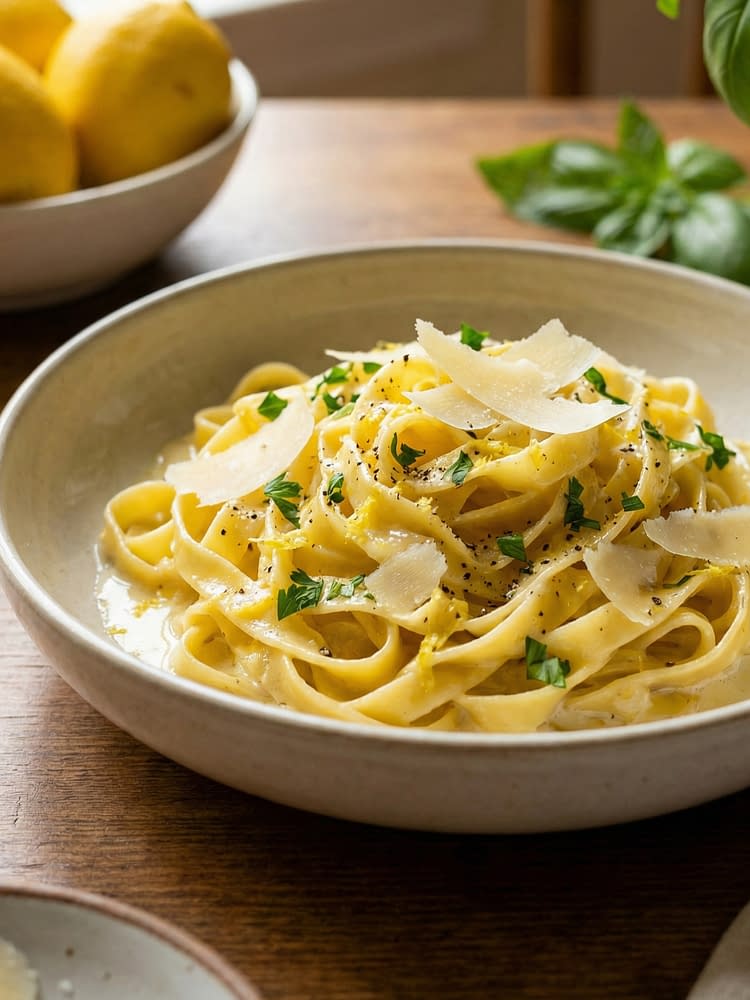

Lemon Cream Sauce Pasta is one of those dishes that feels luxurious without being complicated. It combines the comforting richness of a creamy sauce with the bright, fresh flavor of lemon, creating a balance that feels both indulgent and light at the same time. This is the kind of pasta you make when you want something special but don’t want to spend hours in the kitchen.
Unlike heavy cream sauces that can feel overwhelming, this recipe uses lemon to cut through the richness, making every bite smooth, flavorful, and refreshing. It’s inspired by Italian cooking, where simplicity, quality ingredients, and balance matter more than complexity. Whether you’re cooking for yourself, your family, or guests, Lemon Cream Sauce Pasta fits beautifully into everyday meals as well as special occasions.
This guide will walk you through everything you need to know, from choosing the right ingredients to mastering the sauce, avoiding common mistakes, and customizing the dish to your taste.
Why Lemon Cream Sauce Pasta Works So Well
Creamy pasta sauces are loved worldwide, but what makes Lemon Cream Sauce Pasta stand out is contrast. The acidity of fresh lemon juice balances the fat in the cream, preventing the sauce from feeling too heavy. Lemon zest adds aroma and depth, while garlic brings warmth and savoriness.
This balance makes the dish suitable for all seasons. In colder months, it feels cozy and comforting. In warmer months, the citrus notes keep it light and enjoyable. It’s also versatile, working equally well as a simple vegetarian meal or as a base for proteins and vegetables.
Ingredients Overview and Their Roles
Pasta Selection
Choosing the right pasta is important for how well the sauce coats each bite. Long pasta like spaghetti or fettuccine works especially well because the creamy sauce clings beautifully to the strands. Short pasta such as penne or fusilli can also be used if you prefer something easier to serve.
The key is cooking the pasta until al dente. Overcooked pasta becomes soft and absorbs too much sauce, which can ruin the final texture.
Cream and Milk
The cream forms the base of the sauce. Heavy cream or cooking cream provides richness and body, while a small amount of milk helps keep the sauce smooth and prevents it from becoming too thick. This combination creates a sauce that feels luxurious without being overly dense.
Lemon Juice and Zest
Fresh lemon juice is essential. Bottled lemon juice often tastes flat or bitter once heated. Lemon zest is just as important as the juice because it contains natural oils that give the sauce its bright citrus aroma without adding extra acidity.
Garlic
Garlic adds depth and warmth to the sauce. It should be sautéed gently so it becomes fragrant without browning. Burnt garlic can overpower the delicate lemon flavor.
Cheese
A finely grated parmesan-style cheese adds saltiness and umami. It also helps slightly thicken the sauce and give it a smooth finish. Using finely grated cheese ensures it melts evenly.
Seasonings
Simple seasonings like salt, black pepper, and optional chili flakes enhance the flavors without overpowering the lemon and cream.
Essential Equipment for Best Results
A large pot is necessary for boiling pasta properly, allowing it to cook evenly. A wide sauté pan or skillet is ideal for making the sauce and tossing the pasta, giving you enough space to mix everything without breaking the pasta. A fine grater is essential for zesting the lemon and grating cheese finely.
Step-by-Step Preparation Guide
Cooking the Pasta Properly
Always start with well-salted water. Pasta water should taste mildly salty, as this is your only chance to season the pasta itself. Cooking the pasta until al dente ensures it finishes cooking in the sauce without becoming mushy. Reserving some pasta water is crucial because it helps adjust the sauce texture later.
Building the Flavor Base
Olive oil is heated gently before adding garlic. This step creates the foundation of flavor. Garlic should be cooked just until fragrant, not browned, to maintain a soft, rounded flavor.
Creating the Cream Sauce
Cream and milk are added slowly and warmed over medium-low heat. The sauce should never boil aggressively. Gentle heat prevents the cream from separating and keeps the texture smooth.
Adding Lemon the Right Way
Lemon zest and juice are added after the cream warms. This timing preserves the freshness of the lemon while allowing it to blend smoothly into the sauce. Stirring continuously helps prevent curdling.
Combining Pasta and Sauce
The pasta is added directly to the sauce, along with a splash of reserved pasta water. This water contains starch that helps the sauce cling to the pasta. Tossing gently ensures even coating.
Finishing Touches
Cheese is added at the end with the heat turned off or very low. This prevents the cheese from becoming grainy and allows it to melt smoothly into the sauce.
Common Mistakes and How to Avoid Them
One common mistake is overheating the cream, which can cause it to split. Always keep the heat moderate and stir frequently. Another mistake is adding lemon juice too early or over high heat, which can make the sauce taste bitter. Fresh lemon juice should be added gently and never boiled.
Using pre-grated cheese is another issue. It often contains anti-caking agents that prevent smooth melting. Finely grating cheese yourself makes a noticeable difference.
Flavor Variations to Try
Protein Additions
Grilled or pan-seared chicken pairs beautifully with Lemon Cream Sauce Pasta, adding heartiness without overpowering the sauce. Shrimp is another excellent option, especially for a lighter, elegant version. Always ensure proteins are.
Vegetable Add-Ins
Mushrooms add earthiness, while spinach adds color and freshness. Zucchini or asparagus work well for a spring or summer version. Vegetables should be cooked separately and folded in at the end to preserve texture.
Dairy Adjustments
For a lighter sauce, replace part of the cream with milk. The sauce will be thinner but still flavorful. You can also reduce the cheese slightly if you prefer a cleaner lemon flavor.
Serving Suggestions
Lemon Cream Sauce Pasta is best served immediately while the sauce is silky and smooth. Pair it with a simple green salad dressed with olive oil and lemon to echo the citrus notes. Garlic bread or soft dinner rolls make excellent sides for soaking up extra sauce.
For presentation, garnish with fresh parsley, extra lemon zest, and a light sprinkle of cheese. Serve in warm bowls to keep the sauce from thickening too quickly.
Storage and Reheating Tips
This pasta is best enjoyed fresh, but leftovers can be stored in an airtight container in the refrigerator for up to two days. When reheating, add a small splash of milk or water and warm gently over low heat, stirring frequently to restore the creamy texture.
Avoid reheating in high heat or microwaving for too long, as this can cause the sauce to separate.
Nutritional Perspective
While Lemon Cream Sauce Pasta is a comfort dish, it can fit into a balanced diet when enjoyed in moderation. Using fresh ingredients, controlling portion sizes, and pairing it with vegetables helps keep the meal satisfying without feeling heavy.
Why This Recipe Is Worth Making Again and Again
Lemon Cream Sauce Pasta is one of those recipes that becomes part of your regular rotation because it’s reliable, adaptable, and deeply satisfying. It feels elegant enough for guests yet simple enough for busy weeknights. The balance of cream and citrus makes it stand out among traditional pasta dishes, offering something familiar but slightly different.
Once you master the base recipe, you can adjust it endlessly to suit your preferences, seasons, or pantry ingredients. That flexibility is what makes it a true kitchen staple.
Conclusion
Lemon Cream Sauce Pasta is the perfect example of how simple ingredients, when handled with care, can create a dish that feels both comforting and refined. The creamy sauce, balanced with fresh lemon and gentle garlic, delivers rich flavor without feeling heavy, making it a recipe you can enjoy any time of the year. It’s easy enough for beginners, flexible enough for customization, and elegant enough to serve on special occasions.
If you keep it classic or add your favorite vegetables or protein, this pasta adapts beautifully to your taste while maintaining its signature fresh and creamy character. Once you try it, Lemon Cream Sauce Pasta is likely to become one of those dependable recipes you return to whenever you want a satisfying, homemade meal that never disappoints.
Lemon Cream Sauce Pasta Recipe
Lemon Cream Sauce Pasta is a rich yet refreshing pasta dish made with a silky cream-based sauce, fresh lemon zest, and garlic. This quick and comforting recipe delivers bright citrus flavor balanced with creamy texture, making it perfect for an easy weeknight dinner or a cozy weekend meal. Ideal for anyone who loves simple Italian-style pasta with a fresh twist.
Ingredients
For the Pasta
For the Lemon Cream Sauce
For Garnish (Optional)
Instructions
Boil the Pasta
- Bring a large pot of water to a rolling boil. Add salt and pasta. Cook according to package instructions until al dente. Reserve 0.5 cup of pasta water, then drain the pasta and set aside.
Prepare the Garlic Base
- Heat olive oil in a wide pan over medium heat (around 180°C). Add minced garlic and sauté gently for 30–40 seconds until fragrant. Do not brown the garlic, as it can turn bitter.
Create the Cream Sauce
- Lower the heat slightly and pour in the fresh cream and milk. Stir continuously and let the mixture warm gently for 2–3 minutes until it begins to thicken.
Add Lemon Flavor
- Add lemon zest and lemon juice to the sauce. Stir well to combine. The sauce will become fragrant and slightly tangy while remaining creamy.
Season the Sauce
- Add salt, black pepper, and red chili flakes if using. Stir and taste. Adjust seasoning as needed.
Combine Pasta and Sauce
- Add the cooked pasta directly into the pan. Toss gently until the pasta is fully coated. Add reserved pasta water a little at a time if the sauce feels too thick.
Finish with Cheese
- Sprinkle in the grated cheese and stir until melted and smooth. Turn off the heat and let the pasta rest for 1–2 minutes to allow the flavors to settle.
Note
- Use fresh lemon juice only; bottled juice can make the sauce taste bitter.
- For a lighter version, replace half of the cream with milk.
- This pasta is best served fresh but can be stored in an airtight container in the refrigerator for up to 2 days. Reheat gently with a splash of milk.
- You can add grilled chicken, shrimp, or mushrooms if desired, ensuring all ingredients are.