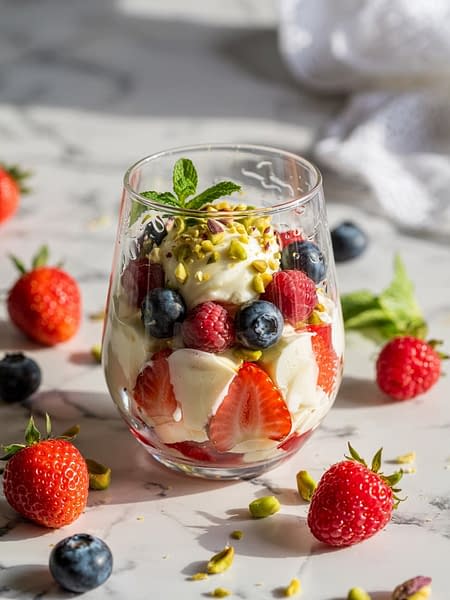
Pandan Crème Brûlée is a small culinary miracle: the luxurious, velvety texture of a classic crème brûlée paired with the vivid, aromatic green of pandan. Pandan (Pandanus amaryllifolius) is prized across Southeast Asia for its sweet, floral, slightly grassy aroma that evokes coconut, vanilla, and fresh green notes. When used intelligently in a baked custard, pandan brightens the dish without overpowering the creamy base.
This post will guide you through every stage of making pandan crème brûlée — from choosing pandan to tempering the eggs, baking in a water bath, and achieving that perfect crackly brûlée top. I’ll share chef-tested techniques, common pitfalls and fixes, flavor variations, plating suggestions, and storage advice so you can make an impressive dessert reliably, whether you’re cooking for guests or treating yourself.
What to expect from this recipe
You’ll learn:
- how to extract and balance pandan flavor,
- the precise technique for a smooth custard,
- safe oven temperatures and water-bath instructions,
- best ways to caramelize sugar (torch and broiler methods),
- troubleshooting tips for curdling, watery centers, and sugar that won’t crisp,
- variations (pandan-coconut, pandan matcha, vegan approaches),
- serving and pairing suggestions.
The finished pandan crème brûlée should be pale green, silky, and set but tender, with a thin, glassy caramel shell that shatters to reveal a creamy custard.
Ingredients
For a classic pandan crème brûlée that serves 4–6 (depending on ramekin size), use the following. Ingredients are written plainly so you can copy and paste them into a shopping list.
2 cup heavy cream (full-fat)
1 cup whole milk (or substitute 1 cup coconut milk for richer pandan-coconut version)
4 large egg yolks (room temperature)
0.4 cup granulated sugar (for custard; you can scale to 0.5 cup if you prefer slightly sweeter custard)
1.5–2 tbsp pandan juice (freshly extracted) or 1–1.5 tsp high-quality pandan extract/paste (adjust to taste)
0.5 tsp vanilla extract (optional — supports the pandan aroma)
1 pinch fine sea salt
4–6 tbsp granulated sugar (for caramelizing the tops)
Notes on ingredients
- Fresh pandan juice yields the most authentic aroma and a delicate green color. If you have pandan leaves, blend and strain them with a little water to extract the juice. Commercial pandan extracts and pastes are concentrated; start small and taste.
- Heavy cream creates a rich mouthfeel. For a lighter version, reduce cream and increase milk, but expect less silkiness.
- Use room-temperature eggs to reduce the chance of curdling when tempering.
Equipment you’ll need
Oven (capable of holding 160°C consistently)
4–6 (150–200 ml) ramekins or custard cups
Large deep baking dish or roasting pan (for water bath)
Saucepan for heating cream
Mixing bowl for egg yolks
Whisk or silicone spatula
Fine-mesh strainer or chinois
Kitchen thermometer (optional but helpful)
Kitchen torch (preferred for caramelizing) or broiler/grill in your oven
Measuring cups and spoons
Step-by-step: making pandan crème brûlée
Infuse the cream with pandan
- Gently warm the dairy.
Heat the heavy cream and milk together in a saucepan over medium-low heat until just below simmering — you should see small bubbles at the edge and wisps of steam, about 75–80°C if you use a thermometer. Do not let it boil. - Add pandan and let it steep.
Remove the pan from heat. Stir in the pandan juice (or extract) and the pinch of salt. Cover and allow to steep for 10–15 minutes to let the pandan’s aroma infuse the cream. If using pandan extract, steeping time can be shorter; extract distributes quickly. - Taste and adjust.
Taste a small spoonful (carefully; it will be hot) to check pandan intensity. The flavor should be fragrant but not overpowering. If you used extract and it tastes too strong, dilute with a small amount of additional warm cream or milk.
Prepare the egg yolk base
- Whisk yolks and sugar.
In a mixing bowl, whisk the egg yolks with the 0.4 cup granulated sugar until the mixture is pale and slightly thickened. This dissolves the sugar and sets the stage for a smooth custard. - Temper the eggs.
Slowly pour about a quarter of the warm pandan cream into the yolk mixture while whisking continuously. This gradual incorporation raises the temperature of the eggs gently and prevents curdling. Continue adding the cream in a thin stream until fully combined. - Strain the custard.
Pour the tempered custard through a fine-mesh strainer into a clean bowl or measuring jug. Straining removes any coagulated bits and produces a silkier texture.
Bake in a water bath
- Preheat your oven to 160°C. Position a rack in the middle of the oven.
- Arrange the ramekins in a deep baking dish or roasting pan.
- Pour the strained custard into the ramekins, leaving a small gap at the top.
- Carefully pour hot water around the ramekins until it reaches halfway up the sides. The water bath (bain-marie) ensures gentle, even cooking.
- Bake for 35–45 minutes depending on ramekin size. The custards are done when the edges are set and the center still jiggles slightly when you gently shake the pan — think of gently wobbly gelatin.
- Remove ramekins from water bath and cool on a rack to room temperature. Then refrigerate at least 2 hours, preferably 4 hours or overnight. Chilling helps the custard firm to the right texture.
Caramelize the tops
- Even layer of sugar.
Sprinkle an even, thin layer (about 1 tablespoon) of granulated sugar over each chilled custard. Tilt and tap gently to distribute. - Torch method (preferred).
Using a kitchen torch, move in a slow, circular motion to melt the sugar until it bubbles and turns amber. Wait 1–2 minutes for the sugar to harden into a crisp shell. - Broiler method (alternate).
Preheat the broiler to high and place the ramekins on a baking sheet. Position the rack close to the heat source and broil briefly, watching constantly — it can go from perfect to burnt in seconds. Remove when the sugar has formed a golden, glassy layer. - Serve immediately.
Serve the caramelized pandan crème brûlée within 10–15 minutes of torching for the ideal contrast between warm brittle top and chilled custard.
Tips and chef techniques for consistent results
Use gentle heat
Never boil the cream. Rapid boiling alters fat structure and can give a grainy mouthfeel.
Temper eggs slowly
Always add warm cream slowly into the yolks while whisking. If you accidentally add hot cream too quickly and some eggs scramble, strain and continue — small bits can often be removed.
Strain twice if needed
If you see any cooked egg bits or fibrous pandan particles, strain the custard through a finer sieve a second time.
Control oven temperature
If your oven runs hot, the custards can overbake and become rubbery. If unsure, use an oven thermometer to verify 160°C. Some chefs bake at 150°C for a gentler set and longer time; both work but watch texture.
Ramekin size and bake time
Smaller ramekins (100–125 ml) will bake faster; larger ramekins (200–220 ml) need more time. Start checking at 30 minutes for small dishes.
Caramelizing sugar
A thin, even sugar layer is best. Thick piles of sugar take longer to melt and can create a brittle, domed crust rather than a delicate glass. Use superfine sugar if you have it — it melts faster and more evenly.
Troubleshooting common problems
Custard is watery or not set
Possible causes: underbaking, incorrect custard ratio, or too much liquid added after baking. Fixes: return to oven in bain-marie for a few more minutes, checking frequently. For future batches, ensure proper egg-to-cream ratio and baking time.
Custard curdled or scrambled
Causes: adding hot cream too fast or heating the custard above safe temperature. If it happens before baking, strain to remove cooked bits and consider starting over. Maintain low heat and temper eggs slowly.
Sugary crust won’t harden or becomes sticky
If the kitchen is humid, the caramel can soften. Allow custards to sit after torching for a minute or two in a dry area. If sugar crystallizes unevenly, remove and respinkle a thin layer and torch again.
Surface cracks
Cracks usually indicate overbaking. Aim for a slight jiggle in the center when done; residual heat will finish the set as it cools.
Variations and flavor ideas
Pandan-coconut crème brûlée
Replace up to 25–50% of the dairy with full-fat coconut milk for a tropical spin. Use less pandan extract as coconut amplifies the fragrance.
Pandan matcha crème brûlée
Fold 1–2 teaspoons of high-quality matcha into the cream while heating to create a pandan-matcha fusion. Adjust sugar to balance matcha’s slight bitterness.
Pandan lime (yuzu) brûlée
Add finely grated lime zest or a teaspoon of yuzu juice to the warm cream for a bright citrus lift. Use sparingly to avoid curdling.
Brown sugar or palm sugar topping
Swap granulated sugar for light brown sugar or palm sugar (gula melaka) for a caramel flavor that pairs beautifully with pandan. Palm sugar may caramelize differently — test one ramekin first.
Vegan pandan “crème brûlée”
For an egg-free version, use a thick plant-based milk blend (coconut cream + soy milk) and set with agar-agar or a cornstarch-thickened custard technique. Note: texture will differ from egg custard; it will be softer and less custardy but still delightfully fragrant. Recipe testing is recommended: start with 1 cup coconut cream + 1 cup plant milk, 3–4 g agar-agar (bloom and simmer per package instructions), sweeten to taste, pour into ramekins and chill until firm before caramelizing.
Serving suggestions and plating ideas
Simple elegance
Serve each ramekin on a small saucer, with a single pandan leaf or edible flower tucked beside it. The contrast between the glossy caramel and the pale green custard is already dramatic; minimal garnishes often work best.
Textural contrast
Top with a sprinkle of toasted desiccated coconut or finely chopped toasted macadamia nuts for crunch that complements the caramel shell.
Fruit pairing
Fresh tropical fruits—mango slices, lychee, or papaya—add bright acidity that cuts the creaminess. A few raspberries offer a lovely color contrast and a tart bite.
Beverage pairing
Serve pandan crème brûlée with a floral tea (jasmine or green tea) or a lightly roasted coffee. For an adult pairing, a small glass of late-harvest Riesling or a light Tokaji can complement the dessert’s sweetness and pandan aroma.
Storage and make-ahead
Make ahead
Pandan crème brûlée is ideal for making ahead. You can bake and chill the custards up to 48 hours before serving. Keep them covered in the refrigerator to prevent absorption of other fridge aromas. Caramelize sugar just before serving to preserve the crackly texture.
Refrigeration
Stored covered, uncaramelized custards will keep well for up to 3 days. After caramelizing, they’re best eaten within 24 hours; humidity will soften the caramel over time.
Freezing
Freezing is not recommended; custard texture suffers significantly on thawing.
Final thoughts
Pandan crème brûlée is a beautiful convergence of classic French technique and Southeast Asian flavor. The steps are deceptively simple but require gentle care — particularly during tempering and baking. Once you’ve mastered the basic pandan custard, experiment with coconut, matcha, or palm sugar to create your own signature version.
If you’re preparing this for a dinner party or a quiet weekend treat, the combination of aromatic pandan and the satisfying crack of caramelized sugar makes pandan crème brûlée a dessert that feels both refined and comfortingly familiar.
Easy Pandan Crème Brûlée Recipe with a Perfect Caramelized Top
Pandan Crème Brûlée is a silky, baked custard dessert infused with the fragrant aroma of pandan leaves and finished with a crisp caramelized sugar topping. This elegant yet comforting dessert combines classic crème brûlée technique with Southeast Asian pandan flavor, making it a unique and irresistible treat for any occasion.
Ingredients
For the Pandan Custard Base
For the Caramelized Topping
Instructions
Prepare the Pandan Cream
- Gently heat the heavy cream in a saucepan over low heat. Add the pandan juice and salt, stirring slowly until the mixture is warm but not boiling. Remove from heat and let it sit for 5 minutes to allow the pandan aroma to fully infuse the cream.
Whisk the Egg Yolks
- In a separate bowl, whisk the egg yolks and sugar together until the mixture turns pale and slightly thick. This step ensures a smooth, creamy custard texture.
Temper the Eggs
- Slowly pour the warm pandan cream into the egg mixture while whisking continuously. This gradual process prevents the eggs from curdling and keeps the custard silky.
Strain the Custard
- Strain the mixture through a fine sieve into a clean bowl to remove bubbles or cooked egg bits. Stir in the vanilla extract.
Fill the Ramekins
- Place ramekins in a deep baking dish. Pour the custard evenly into each ramekin.
Create a Water Bath
- Carefully pour hot water into the baking dish until it reaches halfway up the sides of the ramekins. This ensures even, gentle cooking.
Bake the Custard
- Bake at 160°C for 35–40 minutes, or until the edges are set but the center slightly jiggles when shaken.
Chill the Crème Brûlée
- Remove ramekins from the water bath and cool at room temperature. Refrigerate for at least 2 hours, preferably overnight, for best texture.
Caramelize the Sugar
- Sprinkle an even layer of sugar over each custard. Use a kitchen torch to caramelize until golden and crisp. Let it set for 1–2 minutes before serving.
Note
Fresh pandan juice gives the most authentic aroma and color.
Avoid boiling the cream to prevent a grainy texture.
If you don’t have a torch, caramelize sugar under a hot grill for 1–2 minutes while watching closely.
Store covered in the refrigerator for up to 2 days (without caramelized topping).
Add coconut cream (up to 25% of total cream) for a richer Southeast Asian twist.