
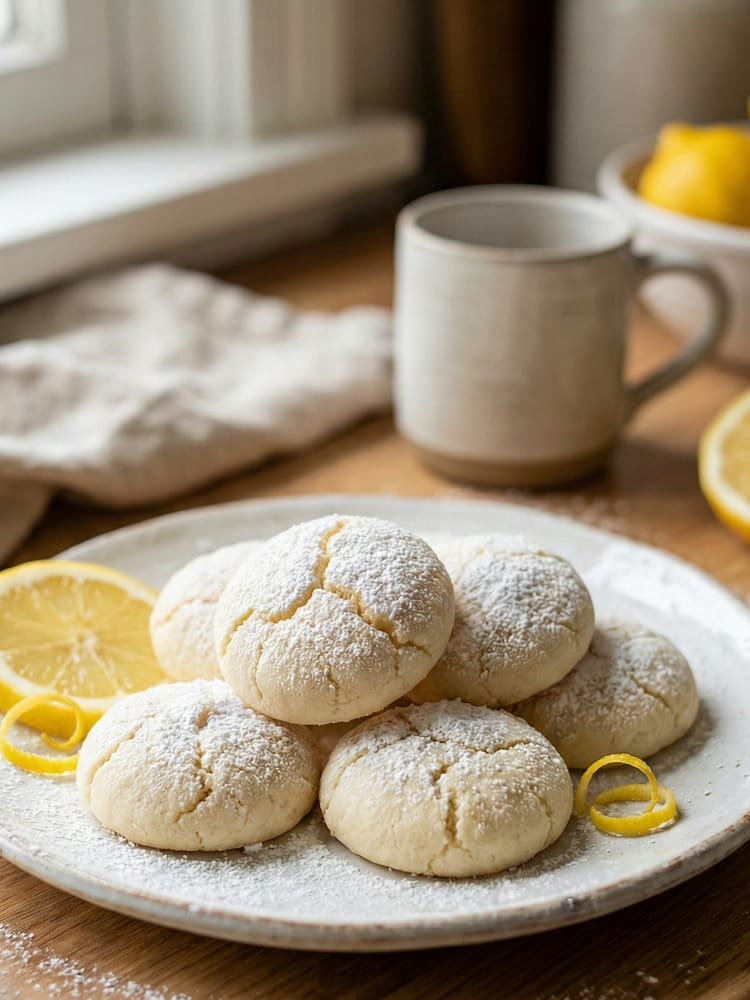

Lemon meltaway cookies are one of those classic baked treats that quietly win hearts. They are not flashy, thick, or dramatic in appearance, yet one bite is enough to understand why they are so loved. These cookies are known for their pale color, delicate structure, and signature melt-in-your-mouth texture that comes from a careful balance of butter, powdered sugar, and cornstarch.
Unlike chewy lemon cookies or crisp lemon shortbread, lemon meltaway cookies are intentionally fragile. They are designed to be tender, crumbly, and light, dissolving almost instantly on the tongue. The lemon flavor is gentle and refined rather than sharp or overpowering, making these cookies ideal for tea time, spring gatherings, or anyone who prefers subtle desserts.
This blog post covers everything you need to know about lemon meltaway cookies, from understanding what makes them unique to mastering the technique, avoiding common mistakes, and adapting the recipe to suit your preferences.
What Makes Lemon Meltaway Cookies Unique
Lemon meltaway cookies stand apart from other lemon desserts because of their texture first and flavor second. The defining feature is the meltaway quality, which refers to how the cookie breaks down immediately when bitten.
Several factors contribute to this:
The absence of eggs keeps the structure soft and crumbly rather than firm.
Powdered sugar dissolves more easily than granulated sugar, creating a smoother dough.
Cornstarch replaces part of the flour, weakening gluten formation and making the cookie tender.
Low baking temperatures prevent browning and maintain the pale, delicate appearance.
Because of these elements, lemon meltaway cookies are not meant to be thick, chewy, or golden. If they look sturdy or glossy, they are likely a different type of cookie entirely.
Ingredients Breakdown and Their Roles
Butter
Butter is the backbone of lemon meltaway cookies. It provides richness, structure, and flavor. Softened butter is essential, as it blends smoothly with powdered sugar to create a creamy base. Cold butter will not incorporate properly, while melted butter will ruin the texture.
Powdered Sugar
Powdered sugar is key to the meltaway effect. Unlike granulated sugar, it dissolves completely into the dough, resulting in a smooth, tender cookie with no grit. It also contributes to the pale color of the finished cookies.
Cornstarch
Cornstarch is the secret ingredient that truly sets lemon meltaway cookies apart. It reduces gluten development and gives the cookies their soft, fragile structure. Without cornstarch, the cookies would be closer to shortbread.
All-Purpose Flour
Flour provides just enough structure to hold the cookies together. It should be sifted to avoid lumps and ensure an even texture.
Lemon Zest
Lemon zest delivers the majority of the lemon flavor. It contains aromatic oils that provide a bright, fresh citrus note without adding liquid to the dough.
Lemon Juice
A small amount of fresh lemon juice enhances the citrus flavor and balances the richness of the butter. Too much juice can make the dough wet, so restraint is important.
Salt
Salt sharpens the flavor and prevents the cookies from tasting flat. Even a small amount makes a noticeable difference.
Preparing the Dough the Right Way
Creaming Butter and Sugar
The process begins with creaming softened butter and powdered sugar. This step should be done gently but thoroughly. The mixture should become light, smooth, and pale, but not airy like cake batter. Over-whipping can incorporate too much air, causing the cookies to spread unevenly.
Incorporating Lemon Flavor
Lemon zest and lemon juice are added next. Mixing should be gentle to avoid breaking down the butter structure. The dough should smell fragrant and fresh without appearing wet or glossy.
Adding Dry Ingredients
Dry ingredients should be mixed separately before being added to the dough. This ensures even distribution of cornstarch and salt. The dough should come together easily and feel soft, not sticky. Overmixing at this stage can toughen the cookies.
Shaping Lemon Meltaway Cookies
Why Shape Matters
Lemon meltaway cookies are typically shaped into small rounds and gently flattened. Their appearance should be modest and understated. Thick or tall shapes work against the intended texture.
Proper Thickness
Aim for a medium-thin cookie. Too thin and they may crumble excessively. Too thick and they will not melt properly. A light press with your fingers is usually sufficient.
Chilling the Dough
Chilling is optional but helpful if the dough feels too soft. A short chill of 10 to 15 minutes firms the butter slightly without making the dough hard. Over-chilling can prevent proper spreading.
Baking Lemon Meltaway Cookies
Temperature Control
A low baking temperature is essential. Lemon meltaway cookies should bake gently, setting without browning. High heat will cause the edges to darken and dry out.
Visual Cues
The cookies are done when the bottoms are set and the tops remain pale. They should not look golden or crisp. If you wait for color, they will be overbaked.
Cooling Process
Cooling is just as important as baking. The cookies are fragile when warm and should be left on the tray briefly before being moved to a rack. Once cool, they firm up slightly but remain tender.
Lemon Sugar Coating
Purpose of the Coating
The powdered sugar coating adds sweetness, enhances the lemon aroma, and contributes to the classic meltaway appearance. It also protects the cookies from drying out.
When to Coat
Cookies should be completely cool before coating. Warm cookies will absorb the sugar, resulting in a sticky surface rather than a powdery finish.
Enhancing the Lemon Flavor
Mixing lemon zest into the powdered sugar adds an extra layer of citrus fragrance without altering the texture.
Common Mistakes and How to Avoid Them
Cookies Turning Out Thick
This usually happens when too much flour is added or the dough is not flattened enough. Measuring flour accurately and shaping gently helps prevent this.
Cookies Spreading Too Much
Over-softened butter or warm dough can cause excessive spreading. A short chill solves this issue.
Dry or Crumbly Cookies
Overbaking is the most common cause. Remove the cookies as soon as the bottoms are set.
Weak Lemon Flavor
Using only lemon juice without zest results in mild flavor. Always include fresh zest for the best results.
Variations on Lemon Meltaway Cookies
Lime Meltaway Cookies
Replace lemon zest and juice with lime for a slightly sharper citrus profile.
Orange Meltaway Cookies
Orange zest creates a sweeter, more floral variation that pairs beautifully with tea.
Vanilla Lemon Meltaways
Adding a small amount of vanilla extract softens the citrus and adds warmth.
Gluten-Free Adaptation
A high-quality gluten-free all-purpose flour blend can be used, though the texture may be slightly more delicate.
Serving Suggestions
Tea and Coffee Pairings
Lemon meltaway cookies are ideal with black tea, green tea, or lightly roasted coffee. Their subtle sweetness complements bitter beverages.
Dessert Platters
Arrange them alongside other delicate cookies for an elegant dessert spread.
Gift Giving
These cookies make lovely edible gifts when packed carefully in airtight containers with parchment paper between layers.
Storage and Shelf Life
Room Temperature Storage
Store lemon meltaway cookies in an airtight container at room temperature for up to four days. Keep them away from heat and humidity.
Freezing Instructions
Uncoated cookies can be frozen for up to two months. Thaw at room temperature and coat with powdered sugar before serving.
Transporting Tips
Because they are fragile, place parchment paper between layers and avoid stacking too high.
Why Lemon Meltaway Cookies Are Perfect for Spring and Summer
The light texture and bright citrus flavor make lemon meltaway cookies especially appealing during warmer months. They feel refreshing rather than heavy and pair well with seasonal fruits and chilled drinks. Their pale appearance and gentle sweetness fit beautifully into spring gatherings, picnics, and afternoon teas.
Conclusion
Lemon meltaway cookies are a lesson in restraint and balance. They do not rely on bold sweetness or dramatic textures to impress. Instead, they offer a quiet elegance through their buttery crumb, gentle lemon flavor, and delicate structure.
When made correctly, lemon meltaway cookies live up to their name, dissolving effortlessly with each bite. By understanding the role of each ingredient and respecting the technique, you can create a cookie that feels refined, comforting, and timeless.
Whether you are baking for yourself, your family, or guests, lemon meltaway cookies are a reminder that sometimes the most subtle desserts leave the strongest impression.
Classic Lemon Meltaway Cookies Recipe
These Lemon Meltaway Cookies are soft, buttery, and delicately citrusy cookies that literally dissolve in your mouth. Made with fresh lemon zest and juice, they offer a bright, refreshing flavor paired with a tender crumb. Perfect for tea time, holidays, or light desserts, this easy lemon cookie recipe is a timeless favorite.
Ingredients
For the Cookie Dough
For the Lemon Sugar Coating
Instructions
Prepare the Dough
-
In a large mixing bowl, add the softened butter and powdered sugar. Beat together using a hand mixer or whisk until the mixture becomes pale, fluffy, and smooth. This step is essential for creating the signature meltaway texture.
Add Lemon Flavor
-
Mix in the fresh lemon zest and lemon juice. Stir gently until fully incorporated. The dough should smell bright and citrusy without becoming wet.
Combine Dry Ingredients
-
In a separate bowl, whisk together the all-purpose flour, cornstarch, and salt. Gradually add this dry mixture to the butter mixture, mixing slowly until a soft, smooth dough forms. Avoid overmixing.
Shape the Cookies
-
Scoop small portions of dough and roll gently into 2.5 cm balls. Place them on a baking tray lined with parchment paper, leaving space between each cookie. Lightly flatten each ball with your fingers.
Bake
-
Preheat the oven to 175°C. Bake the cookies for 12–15 minutes, or until the bottoms are just set. The tops should remain pale—do not let them brown.
Cool Completely
-
Remove the cookies from the oven and allow them to cool on the tray for 5 minutes, then transfer to a wire rack. Cooling fully is important before coating.
Coat with Lemon Sugar
-
In a small bowl, mix powdered sugar and lemon zest. Once cookies are completely cool, gently roll each cookie in the lemon sugar mixture until evenly coated.
Note
Store cookies in an airtight container at room temperature for up to 4 days.
For longer storage, freeze uncoated cookies for up to 2 months and coat after thawing.
For a stronger lemon flavor, add extra zest, but avoid adding more juice to keep the texture intact.
These cookies are naturally egg-free and alcohol-free, making them.


