
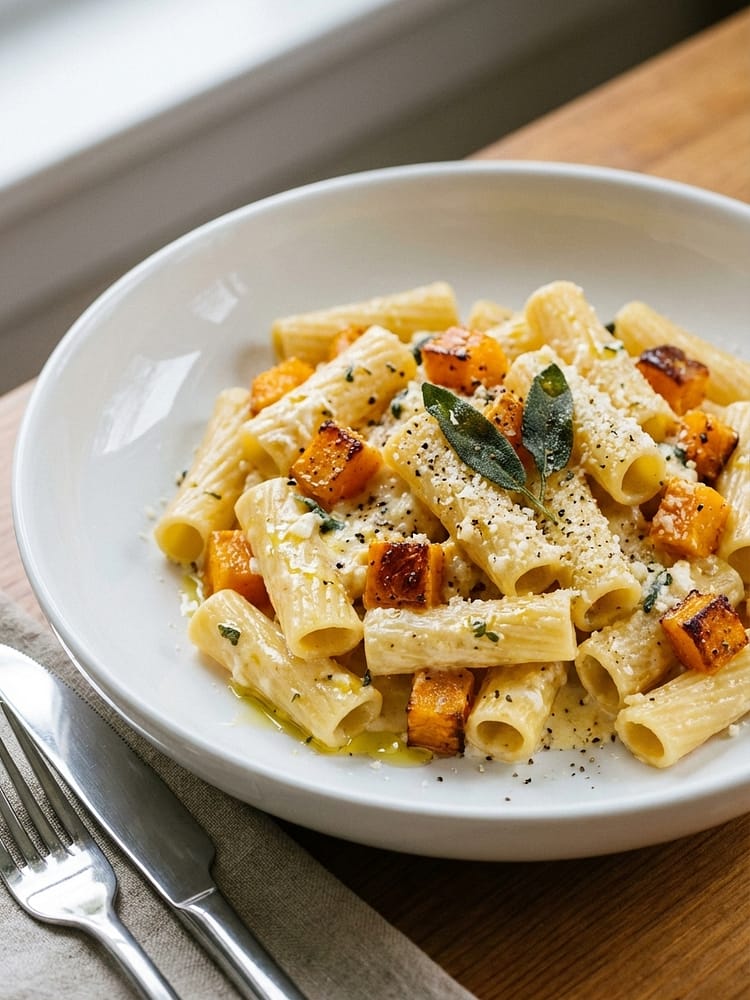

Butternut squash baked feta pasta is one of those recipes that feels both comforting and impressive without being complicated. It brings together simple pantry staples and seasonal vegetables, then transforms them into a rich, creamy pasta dish using nothing more than an oven, a baking dish, and a little patience.
The popularity of baked feta pasta started as a viral trend, but variations like this one have proven their staying power. The addition of butternut squash takes the dish beyond novelty and into true comfort food territory. The squash roasts slowly in the oven, becoming tender and slightly caramelized, while the feta softens and melts into a creamy, tangy base. When mixed with pasta, the result is a naturally creamy sauce without the need for heavy cream or complicated techniques.
This long-form guide will walk you through everything you need to know about making butternut squash baked feta pasta at home. From ingredient selection and preparation tips to variations, serving ideas, and storage advice, this post is designed to help you master the recipe and adapt it confidently to your own kitchen.
What Makes Butternut Squash Baked Feta Pasta Special
A Perfect Balance of Sweet and Savory
One of the main reasons this dish works so well is balance. Butternut squash brings a gentle sweetness that deepens as it roasts. Feta cheese, on the other hand, adds saltiness and tang. Together, they create a sauce that tastes complex even though the ingredient list is short.
Creamy Without Being Heavy
Unlike traditional creamy pasta sauces, butternut squash baked feta pasta relies on natural textures rather than cream or butter. The squash breaks down into a smooth puree when mashed, and the baked feta becomes soft and spreadable. A small amount of reserved pasta water ties everything together into a silky sauce.
Beginner-Friendly and Forgiving
This recipe is ideal for beginner cooks. Most of the work happens in the oven, and there is no strict timing or delicate technique involved. Even if the squash roasts a little longer or the feta browns more than expected, the final dish remains delicious.
Ingredient Breakdown and Why Each One Matters
Butternut Squash
Butternut squash is the heart of this dish. Its naturally creamy texture and subtle sweetness make it perfect for roasting and blending into a sauce.
Choose a squash that feels heavy for its size, with firm skin and no soft spots. The flesh should be a deep orange color, which indicates better flavor and sweetness.
Feta Cheese
Feta provides the saltiness and creaminess that define baked feta pasta. For this recipe, always use a block of feta rather than pre-crumbled cheese. Block feta melts more evenly and creates a smoother sauce.
If requirements matter in your kitchen, make sure to choose feta made with microbial or vegetarian rennet.
Pasta
Short pasta shapes work best for butternut squash baked feta pasta. Penne, rigatoni, fusilli, or shells are ideal because they hold onto the sauce and capture small bits of squash and cheese.
Cooking the pasta until just al dente is important, as it will continue to absorb sauce after mixing.
Olive Oil
Olive oil helps the squash roast evenly and enhances flavor. It also adds richness to the final sauce without making it heavy.
Garlic and Onion
Garlic and red onion provide a savory foundation that balances the sweetness of the squash. Roasting them mellows their sharpness and adds depth to the dish.
Herbs and Spices
Simple seasonings like dried thyme, rosemary, black pepper, and chili flakes enhance the natural flavors without overpowering them. Smoked paprika adds warmth and a subtle smoky note.
Pasta Water
Reserved pasta water is an essential ingredient. Its starchiness helps bind the sauce, making it glossy and smooth.
Step-by-Step Preparation Guide
Preparing the Ingredients
Before you start cooking, take time to prepare everything properly. Peel and cube the butternut squash into evenly sized pieces so it roasts uniformly. Lightly crush the garlic cloves rather than chopping them finely, which prevents burning in the oven.
Slice the onion thinly so it softens and caramelizes alongside the squash.
Roasting the Squash and Feta
Place the squash, onion, and garlic in a large baking dish. Drizzle generously with olive oil and season evenly. Nestle the block of feta in the center of the dish.
Roasting at a moderate temperature allows the squash to soften and caramelize slowly while the feta warms through and becomes creamy. The feta should develop a lightly golden surface without drying out.
Cooking the Pasta
While the squash and feta roast, cook the pasta in well-salted water. Proper seasoning at this stage ensures the final dish is well-balanced.
Reserve some of the pasta water before draining. This step is crucial and should not be skipped.
Creating the Sauce
Once the baking dish comes out of the oven, mash the feta and squash together directly in the dish. The squash should break down easily, blending with the feta into a thick, creamy base.
Add the cooked pasta and a splash of reserved pasta water, then mix thoroughly. Continue adding pasta water gradually until the sauce reaches your desired consistency.
Texture and Flavor Tips for the Best Results
Avoid Overcrowding the Pan
If the squash pieces are piled on top of each other, they will steam instead of roast. Use a baking dish large enough to spread everything in a single layer.
Season Generously but Thoughtfully
Feta is naturally salty, so taste before adding extra salt at the end. The squash needs enough seasoning to prevent the dish from tasting flat.
Use Heat Carefully
A touch of chili flakes adds warmth without making the dish spicy. This small contrast enhances the sweetness of the squash and the creaminess of the feta.
Variations to Customize Butternut Squash Baked Feta Pasta
Adding Greens
Stir in fresh spinach or kale after mixing the pasta. The residual heat will wilt the greens gently, adding color and nutrients.
Making It Vegan
Replace feta with a vegan feta-style cheese and add nutritional yeast for extra savory depth. The squash still provides plenty of creaminess.
Protein Additions
For extra protein, add roasted chickpeas, white beans, or grilled chicken on top. These additions make the dish more filling without overpowering the base flavors.
Extra Vegetables
Roasted cherry tomatoes, bell peppers, or mushrooms pair beautifully with the squash and feta. Add them to the baking dish from the start or roast separately.
Serving Suggestions
Butternut squash baked feta pasta is satisfying on its own, but it also pairs well with simple sides.
Serve it with a crisp green salad dressed with lemon and olive oil to balance the richness. Warm flatbread or garlic bread makes an excellent accompaniment, especially for soaking up extra sauce.
For a more elegant presentation, garnish with fresh basil, parsley, or a drizzle of chili-infused olive oil just before serving.
Storage and Reheating Tips
Refrigeration
Store leftovers in an airtight container in the refrigerator for up to three days. The flavors often deepen overnight, making the dish even more enjoyable the next day.
Reheating
Reheat gently on the stovetop or in the microwave. Add a splash of water or milk to loosen the sauce, as the pasta will continue to absorb moisture as it sits.
Freezing
Freezing is not ideal for this dish, as feta and squash-based sauces can change texture when thawed. If freezing is necessary, expect a slightly grainier sauce and reheat slowly.
Common Mistakes and How to Avoid Them
Using Crumbled Feta
Pre-crumbled feta does not melt properly and can result in a grainy sauce. Always use a block of feta for the best texture.
Skipping Pasta Water
Without pasta water, the sauce may feel thick and dry. The starch in the water is what creates a smooth, cohesive coating.
Overcooking the Pasta
Overcooked pasta can become mushy once mixed with the sauce. Cook it just until al dente for the best final texture.
Nutritional Perspective
Butternut squash baked feta pasta offers a good balance of carbohydrates, fats, and vegetables. The squash provides fiber, vitamin A, and antioxidants, while feta contributes protein and calcium.
By relying on roasted vegetables rather than cream, this dish feels indulgent without being overly heavy. Portion control and balanced sides can make it suitable for a wholesome, satisfying meal.
Why This Recipe Works for Meal Planning
This dish is ideal for busy schedules. Most of the cooking happens in the oven, leaving you free to prepare other components or relax while it roasts.
It reheats well, making it a practical option for weekday lunches or make-ahead dinners. The flavors remain balanced even after storage, which is not always true for creamy pasta dishes.
Conclusion
Butternut squash baked feta pasta is more than just a trendy recipe. It is a thoughtfully balanced dish that highlights the natural sweetness of roasted squash and the creamy tang of baked feta. Its simplicity makes it approachable, while its depth of flavor makes it memorable.
If you are cooking for family, hosting a casual dinner, or preparing meals ahead of time, this recipe fits effortlessly into a wide range of occasions. Once you understand the basic technique, you can adapt it endlessly with seasonal vegetables, herbs, and proteins.
If you are looking for a pasta dish that feels comforting, modern, and reliable, butternut squash baked feta pasta is a recipe worth returning to again and again.
Butternut Squash Baked Feta Pasta
Creamy, comforting, and packed with roasted flavor, this Butternut Squash Baked Feta Pasta combines sweet caramelized squash with oven-baked feta and tender pasta. This easy, oven-roasted pasta recipe is perfect for cozy dinners and meal prep, offering rich taste with simple ingredients and a wholesome, satisfying finish.
Ingredients
For the Roasted Base
For the Pasta
For Flavor & Finish
Instructions
Prepare the Oven and Baking Dish
-
Preheat your oven to 200°C. Choose a large oven-safe baking dish that allows the squash to roast in a single layer. This helps caramelization rather than steaming.
Assemble the Roasting Base
-
Add the cubed butternut squash, sliced red onion, and garlic cloves to the baking dish. Drizzle with olive oil, then sprinkle with salt, black pepper, smoked paprika, dried herbs, and chili flakes if using. Toss gently to coat everything evenly.
Add the Feta
-
Place the block of feta cheese directly in the center of the baking dish, nestled among the vegetables. Drizzle a little olive oil over the feta to prevent drying and enhance browning.
Roast Until Tender and Golden
-
Bake uncovered for 30–35 minutes, or until the squash is fork-tender and lightly caramelized, and the feta is soft with a golden surface.
Cook the Pasta
-
While the vegetables are roasting, bring a large pot of salted water to a boil. Cook the pasta until al dente, according to package instructions. Before draining, reserve 0.5 cup of the pasta water, then drain the pasta.
Create the Sauce
-
Remove the baking dish from the oven. Using a spoon or fork, gently mash the roasted feta and squash together until creamy. The squash will blend into the feta, forming a rich, naturally sweet sauce.
Combine Pasta and Sauce
-
Add the cooked pasta directly into the baking dish. Pour in a little reserved pasta water and mix thoroughly until the pasta is evenly coated. Add more pasta water as needed to reach your preferred sauce consistency.
Rest and Garnish
-
Let the pasta rest for 5 minutes to allow the flavors to settle. Garnish with fresh chopped basil and an extra drizzle of olive oil before serving.
Note
For extra creaminess, add 2 tbsp fresh cream or unsweetened plant-based cream after mixing.
This dish stores well in the refrigerator for up to 3 days in an airtight container.
Reheat gently with a splash of water or milk to loosen the sauce.


